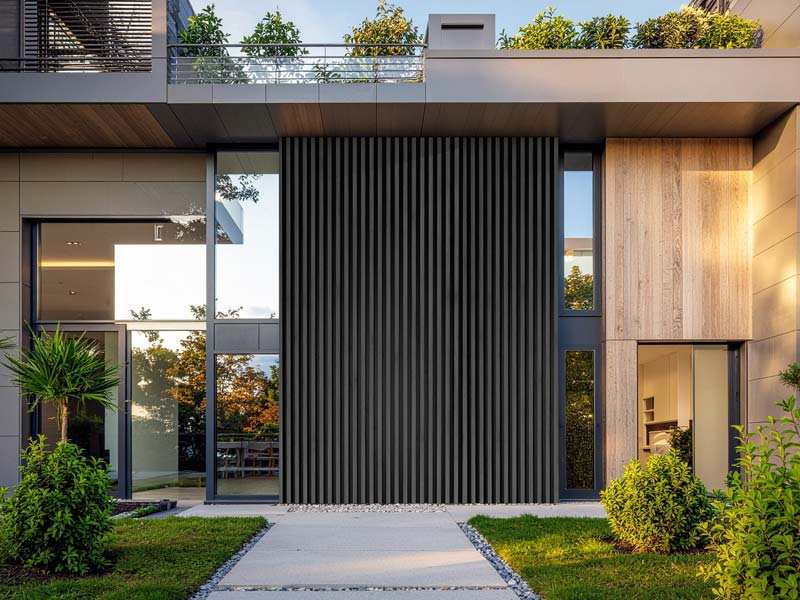
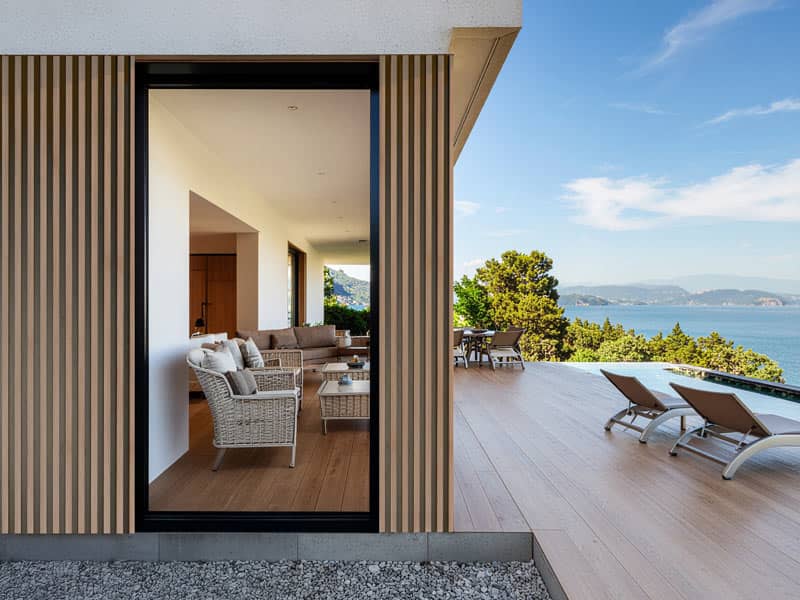
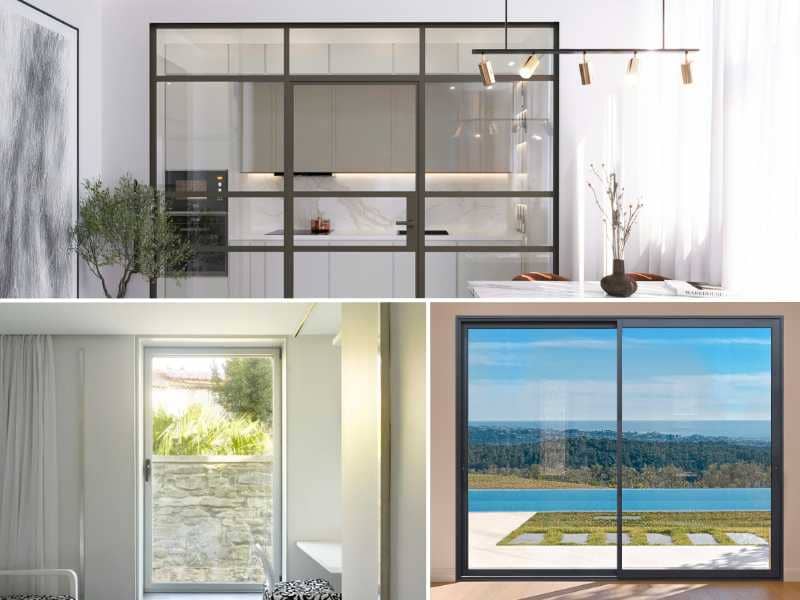
As trade manufacturers of Aluminium Windows we know that even the highest quality windows won’t last forever. On average, a well-installed double glazed UPVC unit will perform effectively for around 15–20 years, with aluminium windows expected to last from 35-50 years. Factors such as location within the home, exposure to weather, and ongoing maintenance all influence lifespan.
When windows are beyond repair, replacement becomes essential. Outdated or damaged windows can increase energy bills, reduce comfort, and compromise home security. Here are the key signs that it’s time to upgrade.
Windows Are Worn Out
Visible signs of rot, warping, or failed double glazing are clear indicators that your windows need replacing.
- Timber frames are especially vulnerable to rot. Once moisture penetrates the wood, it can become difficult to open or close the window, and repairs may only offer a temporary fix.
- Low-grade uPVC can discolour, crack, or warp—especially in hot weather. Expansion and contraction may lead to leaks, condensation, and structural damage.
If your windows show these symptoms, replacement is often more cost-effective than repair.
High Energy Bills
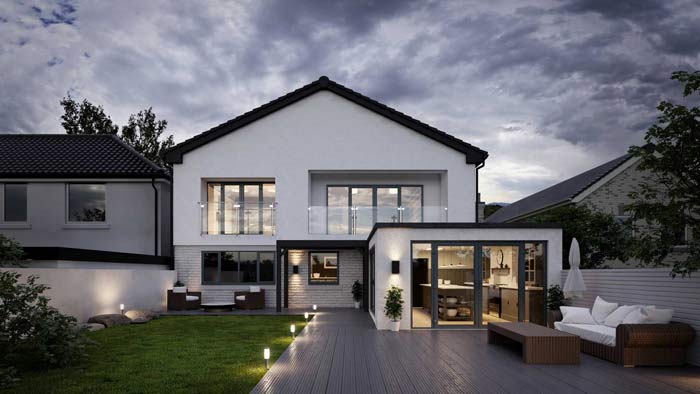
Old or inefficient windows can significantly impact your home’s insulation. Heat loss through poor glazing means increased reliance on central heating or air conditioning.
- Stand near your windows—if it feels noticeably colder, they may be leaking heat.
- Single-glazed windows are particularly inefficient. Modern double glazing with argon gas and low-emissivity (LoE) glass helps retain warmth and reduce energy consumption.
Upgrading to energy-efficient windows is a smart way to cut costs and improve comfort.
Windows That Won’t Open or Close
Windows should open and close easily to allow ventilation and serve as emergency exits. If yours are stuck shut or difficult to operate, it could be due to:
- Paint sealing the frame
- Warped uPVC expanding in heat
- Shifting foundations causing misalignment
In many cases, the only long-term solution is full replacement.
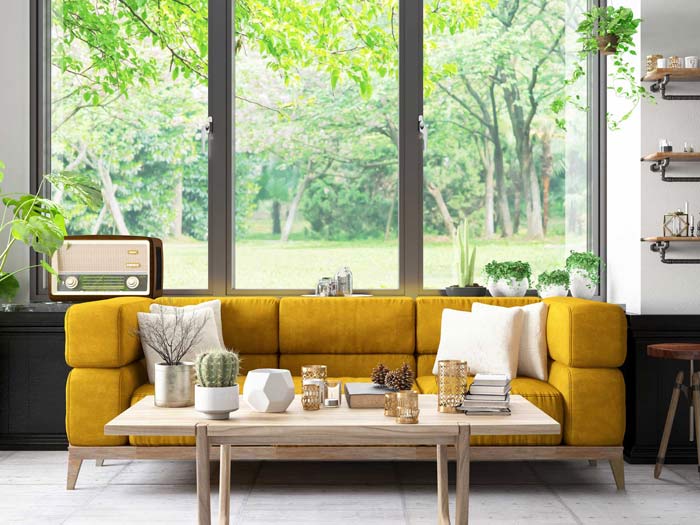
Poor Soundproofing
Modern windows are designed to reduce noise transfer. If you can clearly hear traffic, voices, or music from outside—even with the windows closed—it may be time to upgrade.
Replacing old windows with high-performance glazing can dramatically improve sound insulation and enhance your living environment.
Drafty Windows
Drafts not only make your home uncomfortable—they can increase energy bills by up to 25%. Common causes include:
- Faulty seals or locking mechanisms
- Warped frames that no longer close properly
Drafts also pose a security risk, making windows easier to force open. Replacing compromised units helps restore both efficiency and safety.
Leaky Windows
Condensation between panes, mould growth, or visible water ingress are signs of seal failure or poor installation.
- Moisture trapped inside glazing can’t be removed and will obscure views and reduce light.
- In severe cases, leaks can lead to water pooling indoors.
Replacing leaky windows is often faster and more cost-effective than attempting repairs.
No Double Glazing
Single-glazed windows are still common in older properties and can make homes too cold in winter and too hot in summer. Upgrading to double glazing transforms thermal performance and comfort.
For a durable, energy-efficient solution, consider low maintenance aluminium windows. Aluminium frames offer sleek aesthetics, excellent insulation, and long-term reliability—without the upkeep of timber or the warping issues of uPVC.
Final Thoughts
If your windows show any of these signs, it’s time to consider replacement. Modern double glazed units—especially aluminium windows—offer superior performance, security, and style. Whether you’re a homeowner or a trade professional, investing in quality replacements will pay off in comfort, efficiency, and peace of mind.
For more information on our aluminum windows call 01623 702611